I also enjoy admiring the beauty of sunsets and the sky!

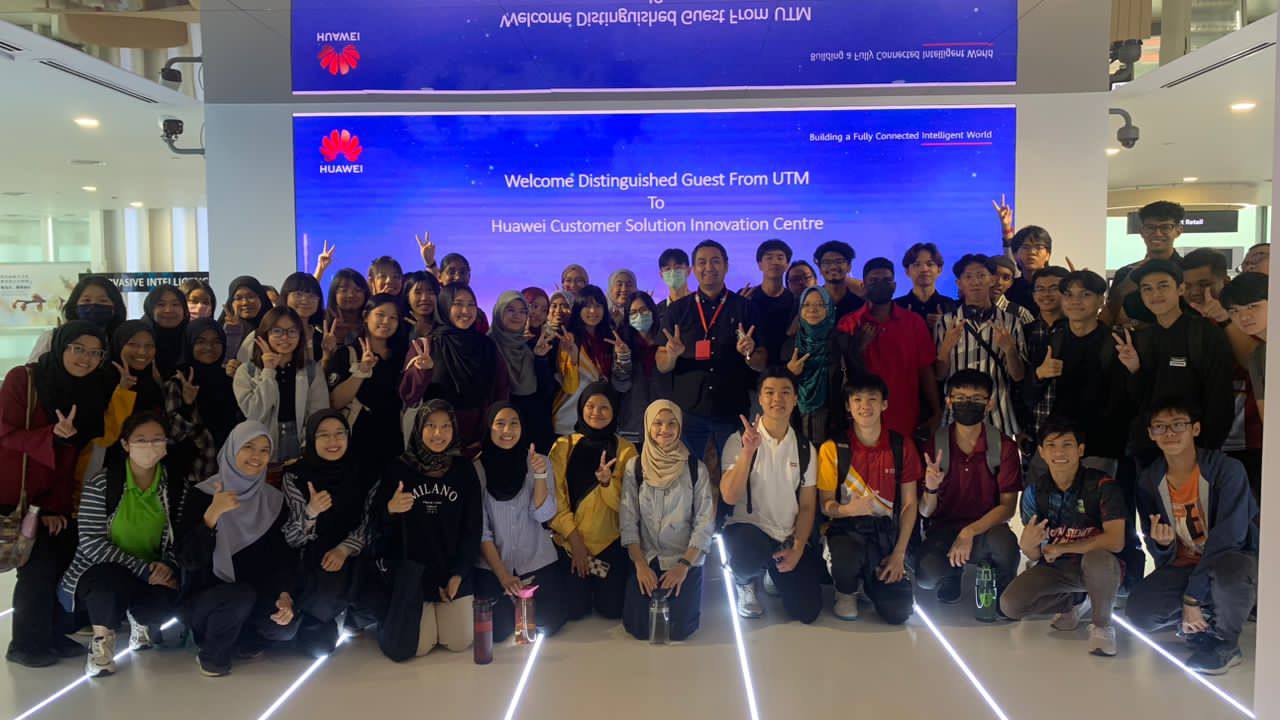
This course serves as a basic introduction to information systems and technology (IS / IT), covering its applications in both professional and household environments. There will be an introduction to several aspects of IS/IT, including hardware, software, networks, communications, internet, multimedia, graphics, and system applications.
Through hands-on work in the labs, which will make up a significant portion of the study, students will gain fundamental knowledge of PC installation and productivity tools. Students should be able to identify fundamental IS/IT components and applications by the end of the course.
Lecturer's name: Dr. Aryati Bakri
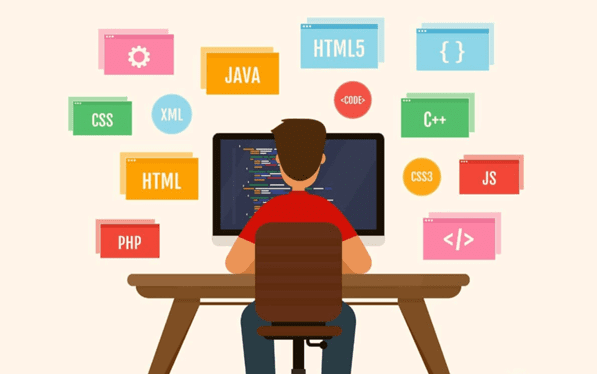
As a fundamental subject, this course equips the students with theory and practice on problem-solving techniques by using the structured approach. Students use programming languages such as C++ to solve simple to moderate problems.
This course covers pre-processor directives, constants and variables, data types, input and output statements, control structures (sequential, selection, loop), built-in and user-defined functions, single and two-dimensional arrays, file operations, pointers, and structured data types.
Lecturer's name: Dr. Nies Hui Wen
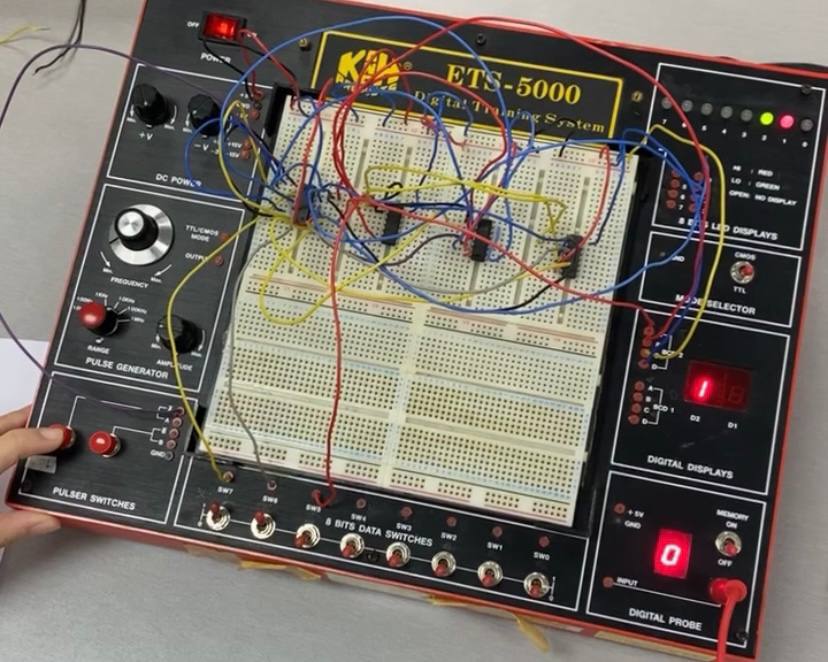
All microprocessor-based systems, including computers, robots, automobiles, and industrial control systems, are built on digital logic, also known as digital electronics. This course introduces students to digital electronics and covers a wide range of important concepts, components, and tools.
Students will receive up-to-date coverage of digital fundamentals, including basic concepts and programmable logic devices. Laboratory experiments provide hands-on experience with simulator software, real-world devices, and circuits studied in the classroom.
Lecturer's name: Dr. Fazrina
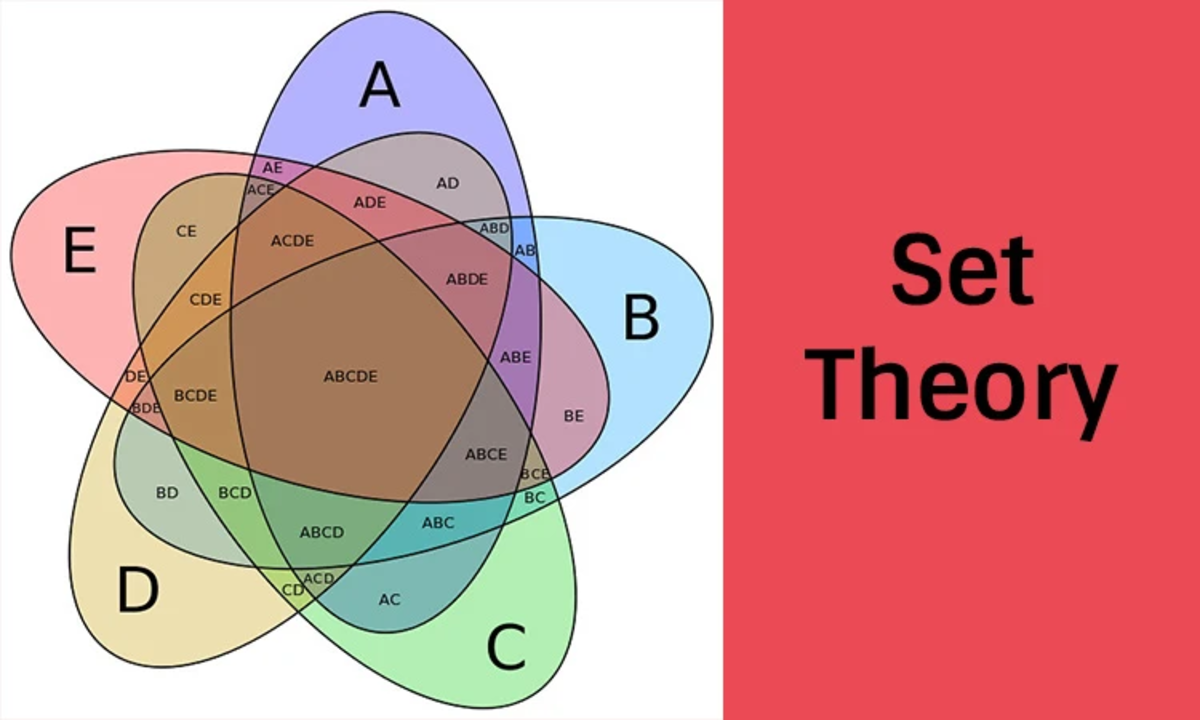
The concepts and uses of discrete structure in computer science are introduced to the students in this course. Set theory, proof strategies, relations, functions, recurrence relations, counting techniques, graph theory, trees, and finite automata are among the subjects covered in this course.
By the end of the course, students should be able to model electronic devices and issues using deterministic finite automata finite state machines, analyze and solve problems using recurrence relations and counting techniques, apply graph theory and trees to real-world problems, and solve computer science problems using set theory, relations, and functions.
Lecturer's name: Dr. Nor Haizan